
Protecting Our Athletes from Heat Illness: Prevention, Recognition, and Response

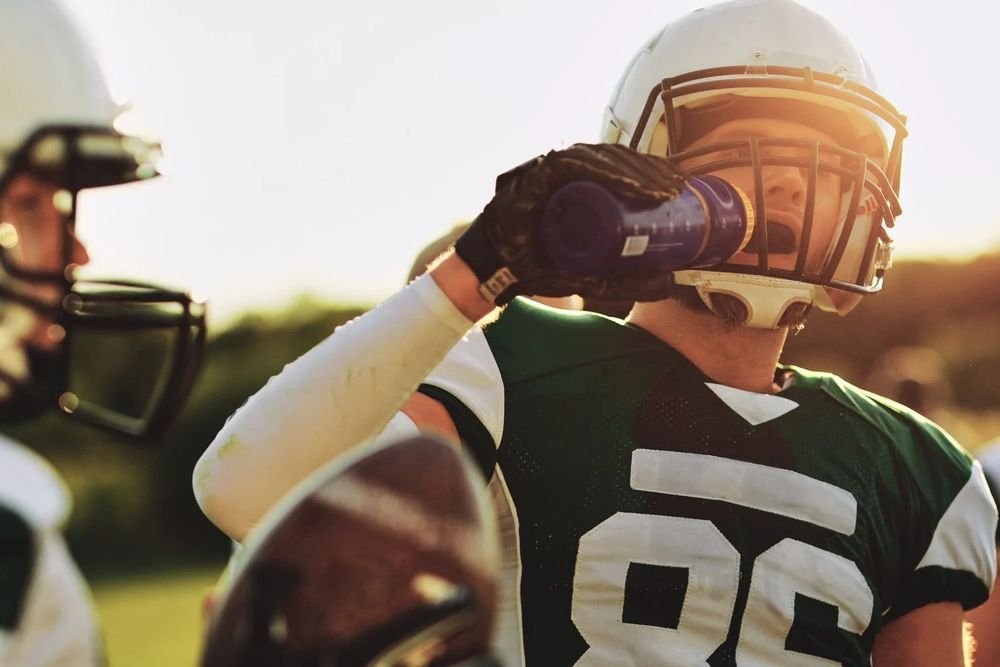
As summer heats up and young athletes gear up for fall training, heat illness becomes a real concern. Physical activity in hot, sunny conditions carries risk that ranges from mild discomfort to a genuine medical emergency — here's what parents, athletes, coaches, and staff need to know.
The Types of Heat Illness
Heat cramps are the mildest form — painful muscle contractions from dehydration and electrolyte imbalance, usually in the legs, abdomen, or arms.
Heat exhaustion develops from prolonged heat exposure and not enough fluid, with symptoms like heavy sweating, weakness, dizziness, nausea, headache, a rapid heartbeat, and clammy skin.
Heat syncope is sudden lightheadedness or fainting from standing or exercising in the heat too long, caused by dehydration and reduced blood flow to the brain.
Heat stroke is the most severe form — the body's temperature regulation fails entirely, causing a dangerously high core temperature, confusion, unconsciousness, seizures, rapid breathing, and hot, flushed skin. This is a medical emergency.
Recognizing the Symptoms
Watch for muscle cramps during exercise, excessive or absent sweating, fatigue, weakness, dizziness, nausea, vomiting, headache, pale or flushed skin, rapid breathing, a racing heart, or any change in mental state or consciousness.
Prevention and Hydration
Drink fluids consistently before, during, and after activity — water is fine for most situations, though sports drinks help restore electrolytes during intense or prolonged workouts. A good guideline: drink when you're thirsty, or if you're exercising intensely, about 8 oz every 20 minutes or so. Schedule practices during cooler parts of the day — early morning or the late afternoon/evening — and make use of shade. Check the weather and heat index, not just the temperature. Wear lightweight, light-colored, loose-fitting, moisture-wicking clothing.
Acclimatization
Give the body time to adjust to heat stress. Start with shorter, less intense workouts without full pads or equipment, and build toward full-intensity sessions over about two weeks. Track weight before and after workouts, and check urine color — light straw means you're hydrated, darker means you're not. Replace roughly 16 ounces of fluid for every pound of weight lost.
How to Respond
Move the athlete to a cool, shaded, or air-conditioned space right away. Offer cool water or a sports drink, and keep them resting until symptoms resolve. Don't force fluids on someone who's unconscious or not fully alert — that's a choking risk. Apply cool water or ice packs to the forehead, neck, armpits, and groin, use fans or create airflow, and wet towels can help with evaporative cooling. Notify the coach and athletic trainer immediately — their judgment matters here.
The Bottom Line
Preventing heat illness is a shared responsibility between parents, coaches, and athletes. Prioritize hydration, schedule activity wisely, watch for symptoms, and report any signs of heat illness — or any injury, for that matter — to both the coach and the athletic trainer.
← Back to all posts