
Dealing with Muscle Cramps During Practice and Competition

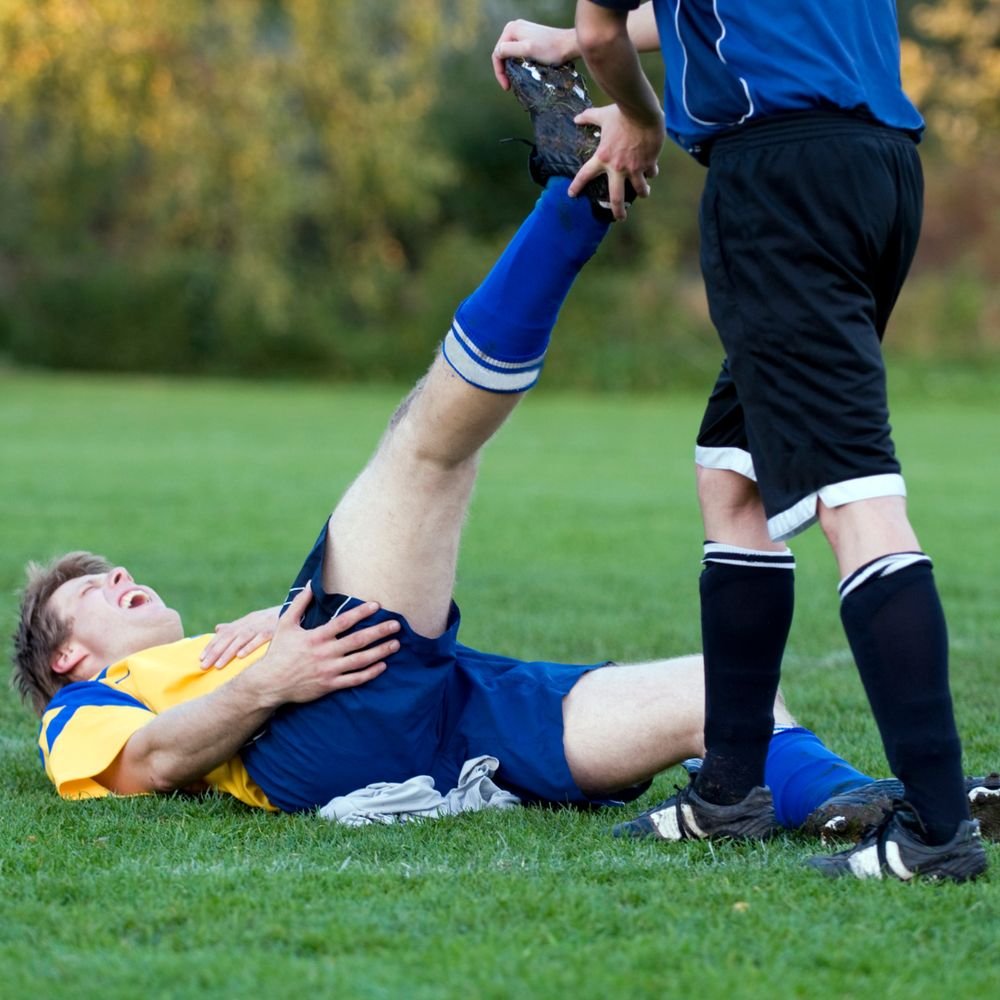
Sports bring a lot of joy — and, sooner or later, a muscle cramp or two. Here's what's actually going on when that happens, and what you can do about it.
Understanding Muscle Cramps
A muscle cramp is a sudden, involuntary, and often painful contraction that can affect nearly any muscle, though the lower extremities — quads, hamstrings, and calves — tend to be the most common targets. A few things usually cause them:
- Dehydration, which throws off the electrolyte balance in your muscles
- Electrolyte imbalance — sodium, potassium, calcium, and magnesium — often from heavy sweating
- Overexertion without a proper warm-up or recovery period
- Muscle fatigue from insufficient rest
- Poor nutrition, especially a lack of vitamins, minerals, and carbohydrates
Preventing Cramps Before They Start
Stay hydrated with water before, during, and after exercise, and reach for a sports drink during more intense activity. As a rule of thumb, aim for about 10 oz every 20 minutes during exertion. Warm up thoroughly with gentle stretching and light movement first. Eat a balanced diet with plenty of potassium-rich foods — bananas, oranges, potatoes. If you sweat heavily, an electrolyte supplement can help. Keep water freely available during practice and competition, and build up training intensity gradually instead of jumping straight into it.
Managing a Cramp When It Happens
Stop the activity right away and gently massage the affected muscle. Stretch the area for 20 to 30 seconds at a time, repeating as needed — a strap or rope can help if you need the extra reach. Apply warm or cold therapy, whichever feels right. Drink water or a sports drink to replenish fluids and electrolytes. And give yourself real recovery time afterward: rest, good nutrition, foam rolling, and light, low-impact movement.
What About Pickle Juice?
You've probably seen it on the sideline — pickle juice has become a go-to for cramp relief, likely thanks to its sodium and vinegar content. Sodium helps restore electrolyte balance, and the acidity of vinegar may trigger nerve receptors that help inhibit cramping, though the research is still developing. If you want to try it, a small, shot-sized amount is plenty — it has a strong flavor, so consider diluting it, and test it out during practice rather than for the first time in competition. It's a supplement to good hydration and electrolyte intake, not a replacement for it.
The Bottom Line
Muscle cramps are frustrating, but proper hydration, nutrition, warm-ups, and a gradual approach to training intensity go a long way toward preventing them — and knowing how to respond when they happen keeps you performing at your best.
← Back to all posts